
Mass spending on cleaning supplies, toilet paper shortages and getting groceries delivered: COVID has altered our economy and spending habits in more ways than one. And it also seems to be altering the way we actually spend our money on these COVID purchases.
In the wake of the pandemic, the status-quo payment methods have quickly been uprooted by COVID closures and fears — so much so that there’s actually a national coin shortage.1 Here’s a close look at the payment methods that have taken the forefront during this pandemic.
Touchless Pay
The percentage of Americans viewing contactless payment as a necessity has jumped in response to COVID-19.2 Fears of contracting the virus from the surfaces of cash, credit and debit cards subsequently led to the rise of touchless pay. Even the Centers for Disease Control and Prevention (CDC) has recommended that businesses use contactless payments as much as possible to avoid handling bills and spreading germs.3
How Does It Work?
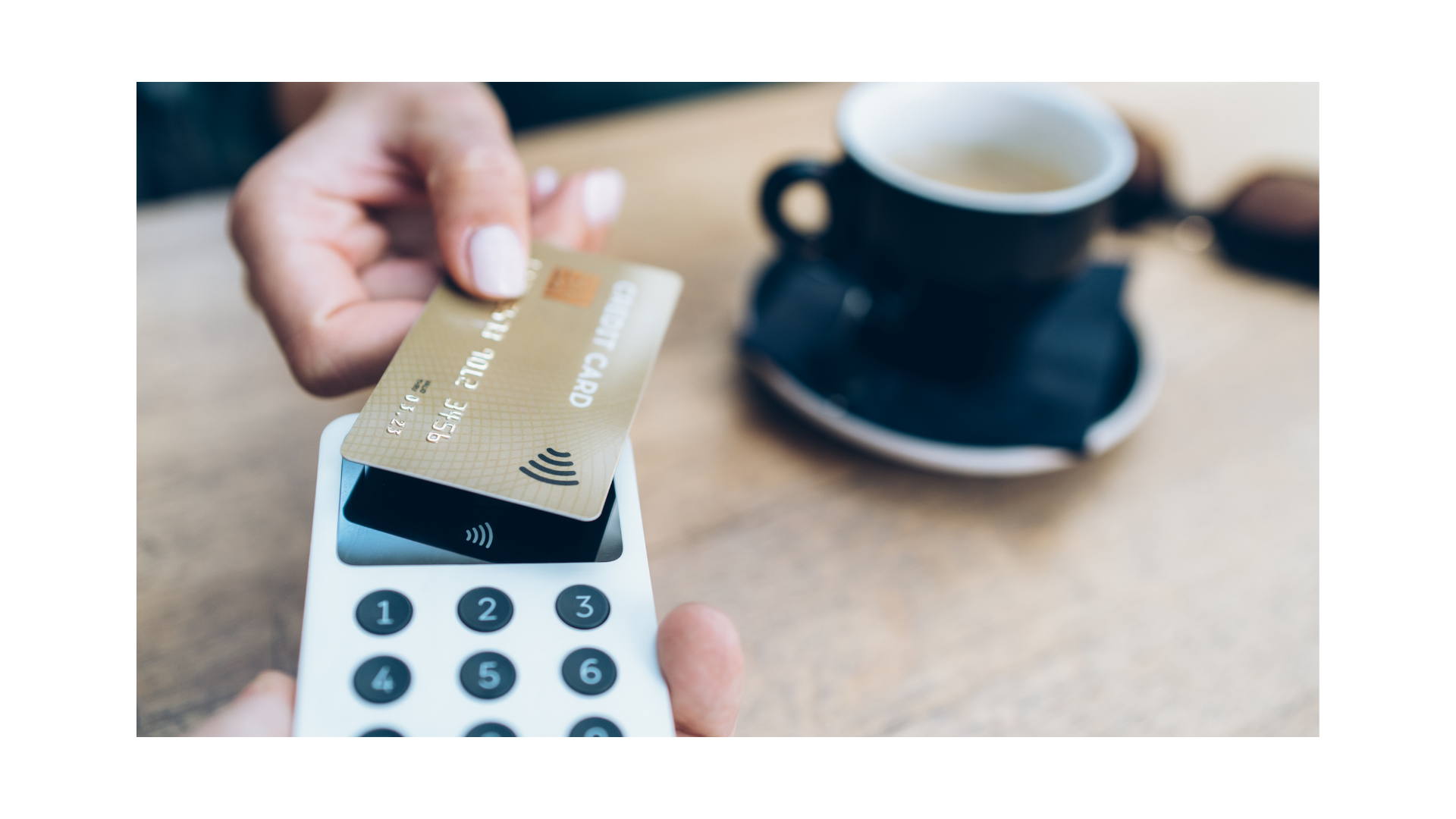
Contactless payment systems allow consumers to make payments without, as the name suggests, having to make physical contact with a machine or person. Using near-field communication (NFC) technology, devices must be in very close proximity, like several centimeters, to "talk" and transact with one another.
Just Tap and Pay
Chances are that your latest credit and debit cards are already enabled for tap-and-pay. You’ll know if your card has NFC capabilities if it has the contactless indicator, which looks a Wi-Fi symbol turned sideways. Retail payment terminals that accept contactless payments have the same symbol.
Smartphone Payments
The most popular services are Apple Pay, Google pay and Samsung Pay. To use phone payments, you’ll have to enter and save your payment information in your phone’s wallet app. Mobile wallets also have the added step of needing to verify with a PIN, password, fingerprint or facial recognition before a payment can be made.
Tapping Beyond Payments
NFC technology enables a variety of everyday activities beyond payments, too. It’s used for e-ticketing, for instance. Users can tap a transit card or smart device to enter a subway turnstile or hop on a bus. On a trip earlier this year to Las Vegas, I kept looking around for a kiosk to purchase a boarding pass/card for the monorail and it finally dawned on me that the purchase was all digital!
Digital Wallets
Next to credit cards and debit cards, digital wallets are the most popular online payment method used during COVID-19 - and as nervousness continues to surround in-person shopping, eCommerce is booming.4
What Are Digital Wallets?
“Just Venmo me.” That’s what my kids tell me when they need cash. Digital wallets, like Venmo, PayPal and other similar platforms, are entirely virtual systems that allow users to make purchases and store money. They’re often associated with your bank account or debit or credit card and allow for very easy online payment. Some even offer perks.
Based on thematic ETF investor ARK’s research, digital wallets could be valued at $800 billion by 2024, a 27x increase from today’s $29.5 billion.5
Advantages and Disadvantages
Contactless payments are a convenient way for customers, retailers and banks to provide an extremely seamless payment experience and way more sanitary than using cash or swiping your card. Using contactless payments are also speedier as it takes 10 to 15 seconds to complete the transaction, versus 30 to 45 seconds for a regular swipe card, so you will spend less time in line.
Is it secure? Compared to the old magnetic swipe cards, contactless payments are much safer as the card or phone sends your payment information via encryption. And don’t worry, you won’t be paying for someone else’s latte at the coffee shop because NFC technology requires that your device must be within centimeters of the point of sale terminal device.
Despite this, there are several possible downsides to contactless payments, including:
Contactless payments are not accepted everywhere. If the merchant hasn’t upgraded its point of sales terminal, you will be out of luck trying to use your tap and pay card or smartphone to complete your purchase.
Privacy concerns. Expect more targeted marketing with the increase of your digital shopping.
Accessibility (or lack thereof). Contactless payment systems exacerbate the digital divide as many do not have access to smartphones. Those who do not have a bank account and must rely on cash transactions are entirely left out. But some, like the United Nations Capital Development Fund, believe moving to cashless payments may actually benefit those who are outside the traditional banking world as a digital financial system could provide more inclusivity.6
Transaction limitations. Maximum purchases or withdrawals can be limited as a signature or PIN is not required.
Budgeting challenges. Contactless payments can make it too easy to make those purchases, possibly aiding in making impulse purchases.
Along with millennials’ drive to avoid cash, our seniors, the so-called “Silver Tech” is joining the wave of fintech adoption such as contactless payments. Even as the pandemic passes, it’s likely that many of these changes will be here to stay—Americans have already adapted to the integration of new payment technologies, and many are now accustomed to its advantages.
- https://www.creditcards.com/credit-card-news/coronavirus-boosting-contactless-payments/
- http://d18rn0p25nwr6d.cloudfront.net/CIK-0001403161/3b603a4b-fdd4-4870-9a36-2733bde5de1c.pdf
- https://www.cdc.gov/coronavirus/2019-ncov/community/organizations/business-employers/bars-restaurants.html
- https://www.paysafe.com/blog/how-covid-19-is-impacting-consumer-payment-preferences/
- Source: ARK Investment Management LLC, 2019
- https://www.betterthancash.org/why-digital-payments
This content is developed from sources believed to be providing accurate information. It may not be used for the purpose of avoiding any federal tax penalties. Please consult legal or tax professionals for specific information regarding your individual situation. The opinions expressed and material provided are for general information, and should not be considered a solicitation for the purchase or sale of any security.